Cozy and Stylish Crochet Kids Jacket Free Pattern

Keep little ones cozy with Free Crochet Kids Jacket Pattern, featuring soft texture and cute details suited for school days, outings, and chilly weather.
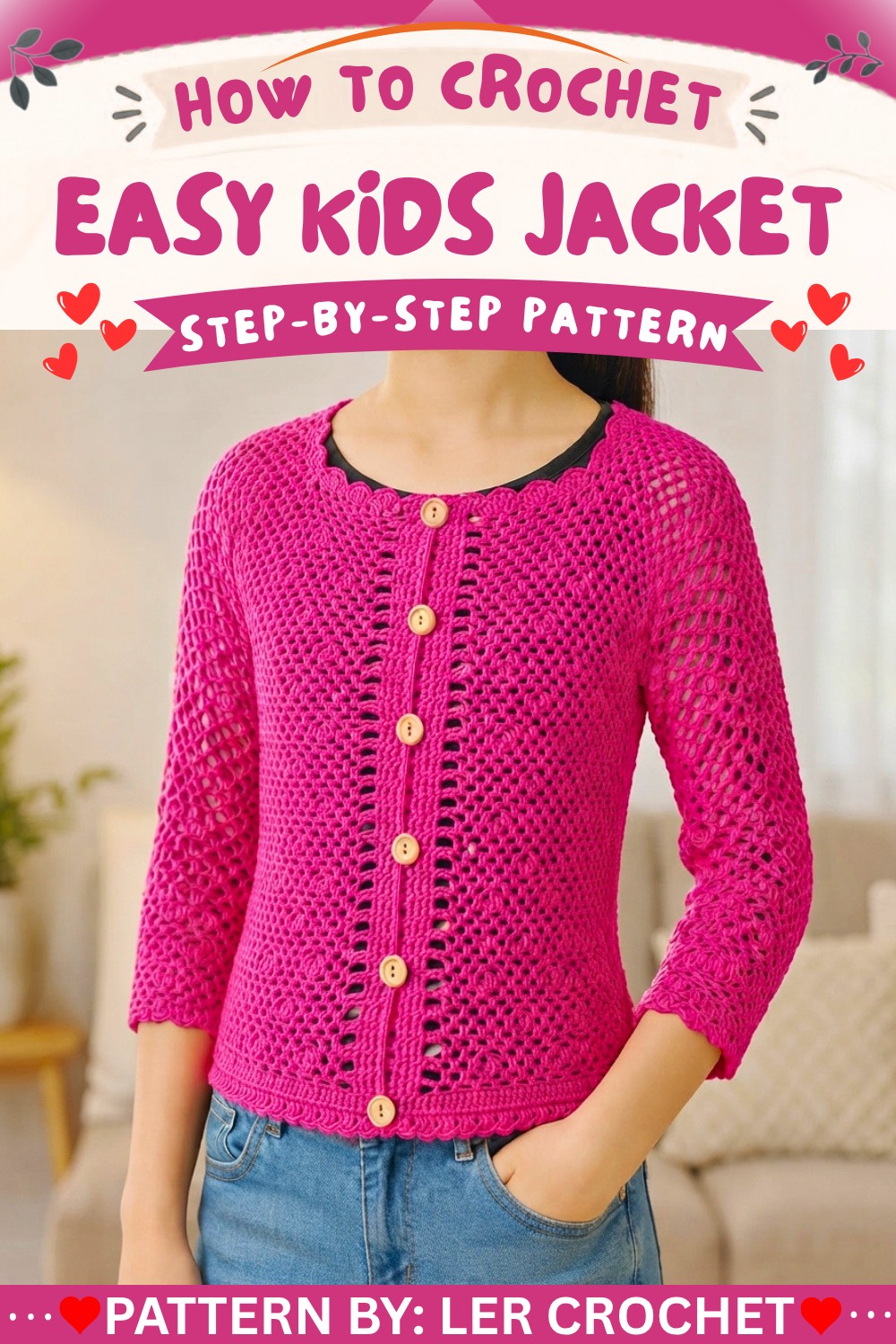
There’s something special about making clothes for kids with your own hands, and the Free Crochet Kids Jacket Pattern from Ler Crochet on YouTube makes this project fun and easy. This pattern is perfect if you want to crochet a warm, comfortable jacket that kids will love to wear. It’s a great way to use your crochet skills and create something both practical and adorable.
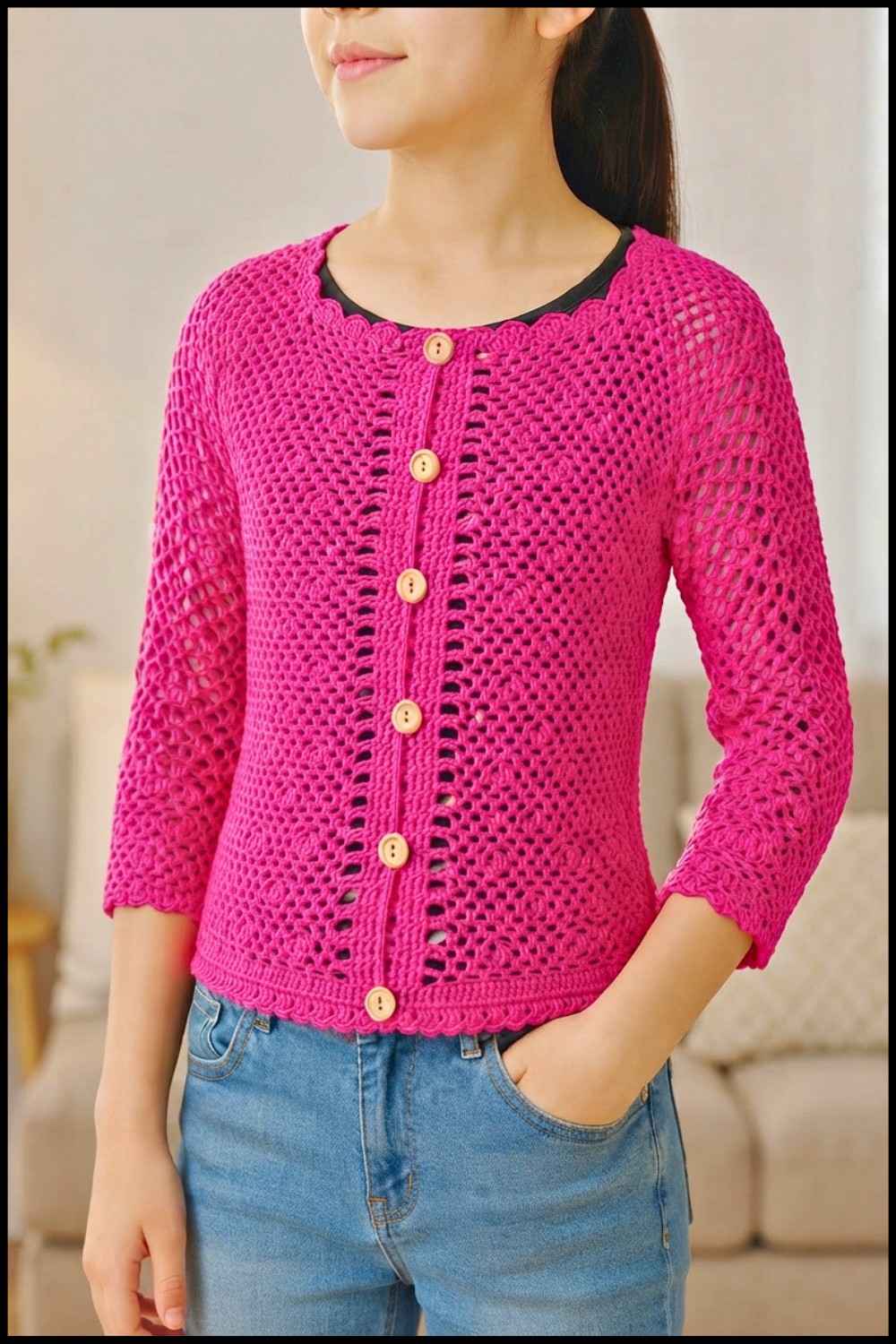
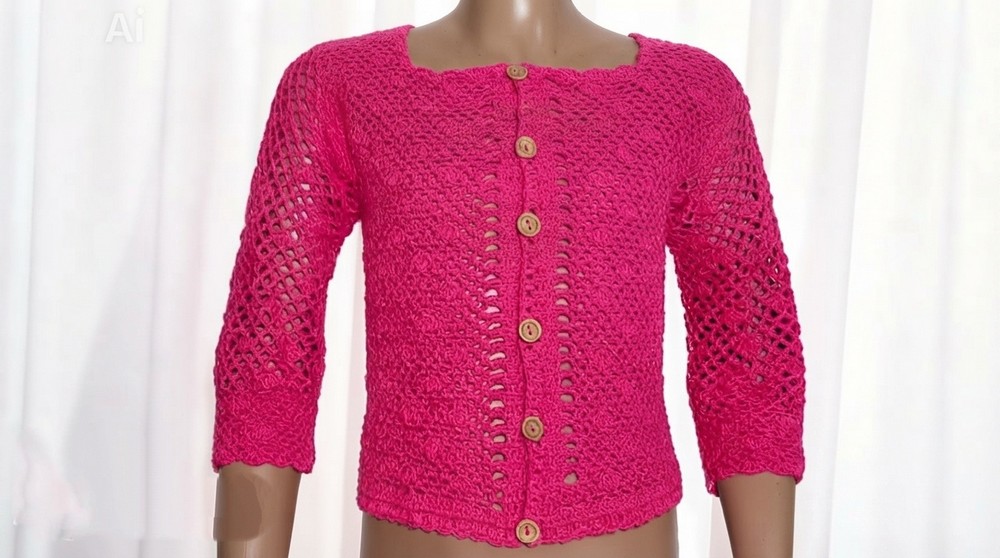
The jacket you’ll crochet has a soft, smooth feel that’s gentle on a child’s skin. Its design is simple yet cute, with long sleeves and buttons on the front, making it easy for kids to put on and take off by themselves. The jacket has a nice shape that fits comfortably and looks great. You can choose any yarn color you like, which means you can make the jacket bright and cheerful or calm and cozy—whatever suits your little one best.
Kids Jacket: Comfortable Crochet Pattern for Children
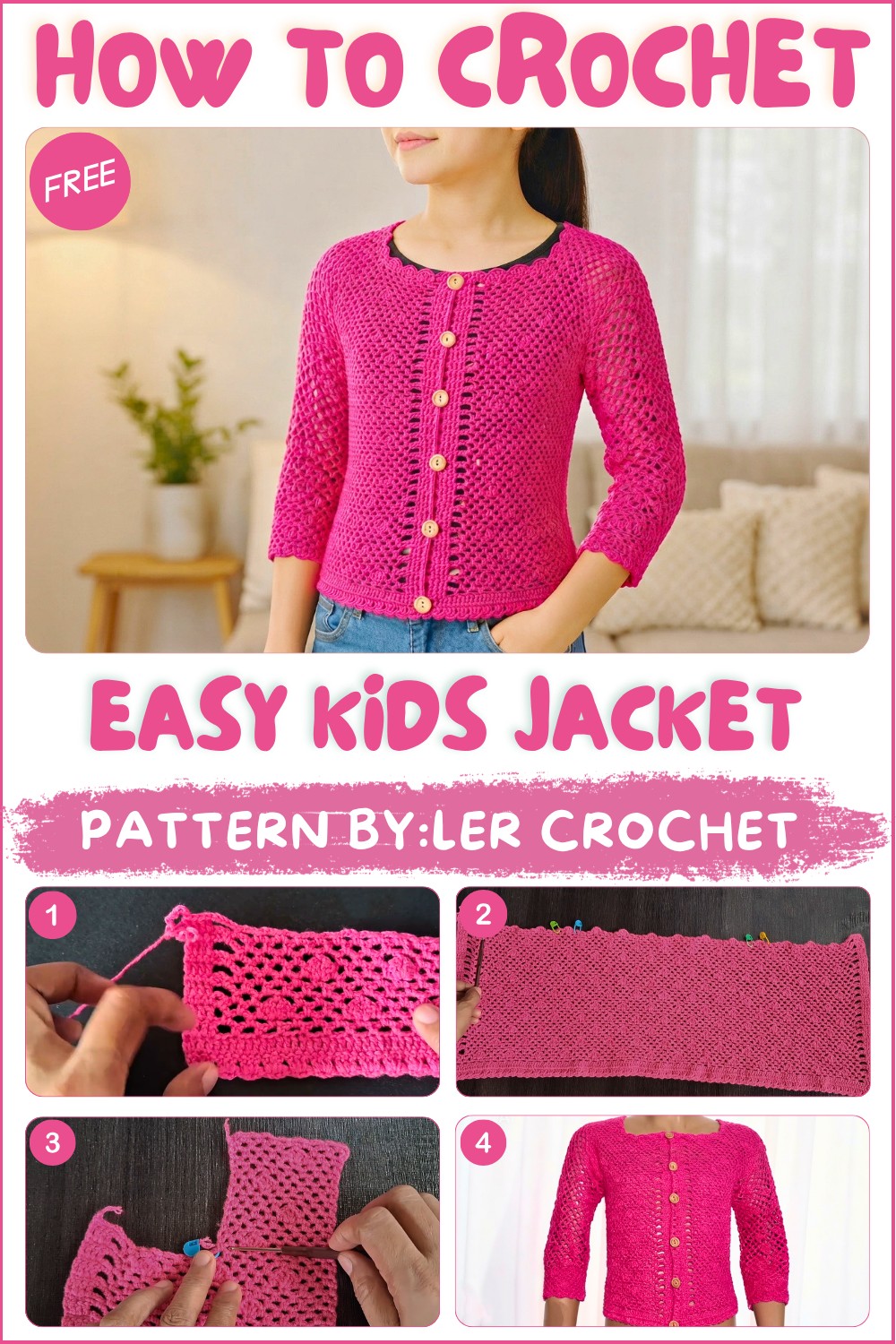
This kids jacket is not only beautiful but also very useful. Kids can wear it while playing outside, going to school, or spending time inside when it’s a bit chilly. Because it’s lightweight but warm, it can be worn in many different situations. Plus, it makes an amazing handmade gift that shows how much you care. Gifted jackets like this one are perfect for birthdays, holidays, or just as a surprise to brighten a child’s day.
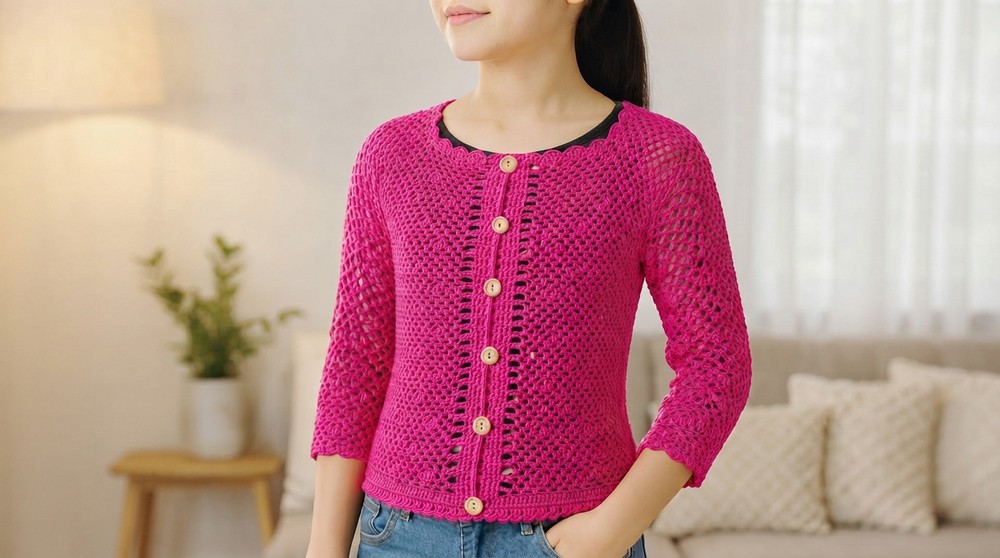
If you want a simple, fun, and rewarding crochet project, the Free Crochet Kids Jacket Pattern from Ler Crochet is an excellent choice. It’s a wonderful way to make something cozy, stylish, and meaningful. Give it a try and enjoy the happiness it brings to both you and the kids who wear it!
Crochet Jacket for Ages 11–13 Pattern
This detailed crochet jacket pattern is designed for children aged 11 to 13. Using a fine 3-ply cotton yarn and a 2.5 mm hook, this jacket features an elegant combination of shell stitches and mesh patterns, giving it a lightweight, breathable texture. Working from a structured foundation, you will shape the yoke, armholes, button bands, and sleeves step-by-step to deliver a beautifully finished garment that fits comfortably and looks stunning.
Quick Overview of Pattern
- Foundation chain and base rows establish a lattice of eyelets.
- Main stitch pattern alternates shell stitches and mesh spaces for texture and structure.
- Yoke shaping and sleeve separation through strategic stitch markers.
- Button bands constructed on front edges including functional buttonholes.
- Sleeves worked in rounds continuing the shell and mesh motif with shaping.
- Final finishing includes cuffs and button attachment.
Notes
- The pattern uses standard US crochet terminology.
- Chain multiples and foundation eyelets are adjustable in multiples of 4 to accommodate sizing beyond 11–13 years.
- Markers are essential to define panel divisions for yoke and sleeves.
- Maintain consistent tension for neat stitch definition and proper sizing.
- Button size may vary; adjust buttonhole dimensions accordingly.
- This pattern is worked mostly in rows, with sleeves in rounds.
Skill Level
Intermediate
Recommended for crocheters who are comfortable with:
- Double crochet (dc) and single crochet (sc) stitches
- Working shell patterns and mesh stitches using chains and skips
- Working with stitch markers to manage shaping
- Following row-by-row and round-by-round crochet instructions
- Creating buttonholes and attaching buttons neatly
Materials
- 3-ply cotton yarn (lightweight, breathable for jackets) — quantity varies with size.
- Crochet hook size 2.5 mm.
- Stitch markers (at least 4).
- Buttons matching buttonhole size (6–8 recommended).
- Scissors and yarn needle for finishing.
- Tape measure to check dimensions.
Measurements / Sizing
- Designed to fit children aged 11 to 13.
- Adjustable width by adding foundation counts in multiples of 4.
- Length and sleeve length adjustable by increasing rows and rounds.
- Approximate finished chest width and length to be measured during work and adjusted accordingly.
Gauge
- Gauge is flexible but based on maintaining pattern stitch consistency:
- Approximately 22 dc and 16 rows = 10 cm.
- Always check tension before starting; adjust hook size if needed to match gauge.
Stitch Abbreviations
- ch: chain
- dc: double crochet
- sc: single crochet
- sl st: slip stitch
- inc: increase (multiple dc in one stitch)
- dec: decrease (not detailed here but useful for shaping)
- shell: a group of stitches worked into the same space, usually (2 dc, ch 1, 2 dc)
- mesh: spaces created by chains and single crochet to form openwork patterns
Special Stitches
- Shell Stitch: (2 dc, ch 1, 2 dc) worked into same stitch or space, forming a fan/shell.
- Mesh Stitch: Created by chaining and skipping stitches, usually ch 3 or 5 followed by sc in a designated stitch, producing open netting.
- Buttonhole Loop: Chain 3, 1 dc, chain 1, 2 dc into the same space forming a loop for buttons.
The Crochet Pattern
1. Foundation and Base Rows
- Foundation:
- Chain 3, work 1 dc; repeat pattern to create 60 eyelets total.
- For larger sizes, increase foundation chains in multiples of 4.
- This creates the base with evenly sized eyelets for the stitch pattern.
- Row 1:
- Chain 3 (counts as first dc).
- Make 3 dc in each eyelet across the foundation chain.
- This row builds clusters of 3 dc creating shell bases.
- Row 2:
- Chain 3, turn.
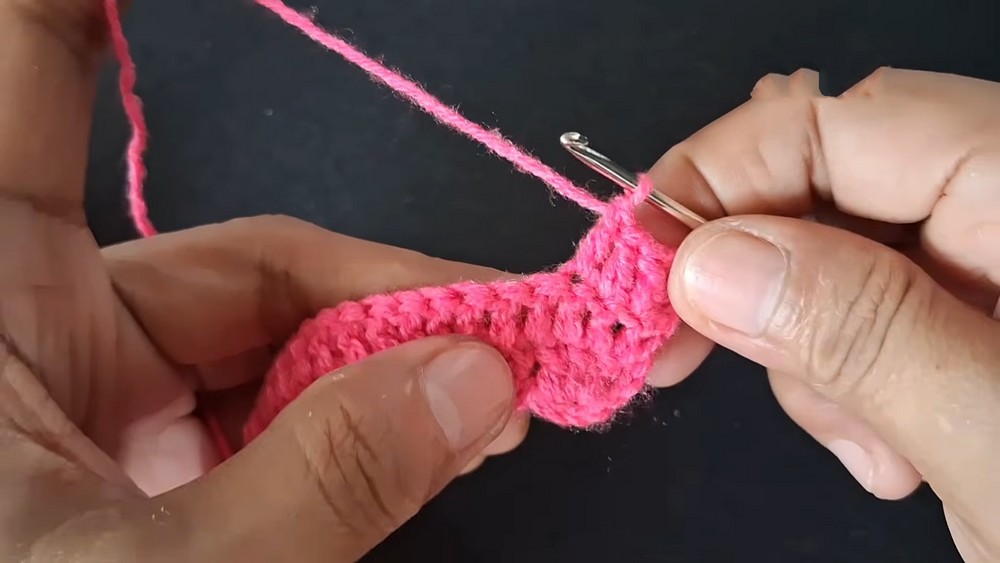
- Work 1 dc in each stitch across.
- This row creates a dense row for stability.
2. Main Stitch Pattern Development
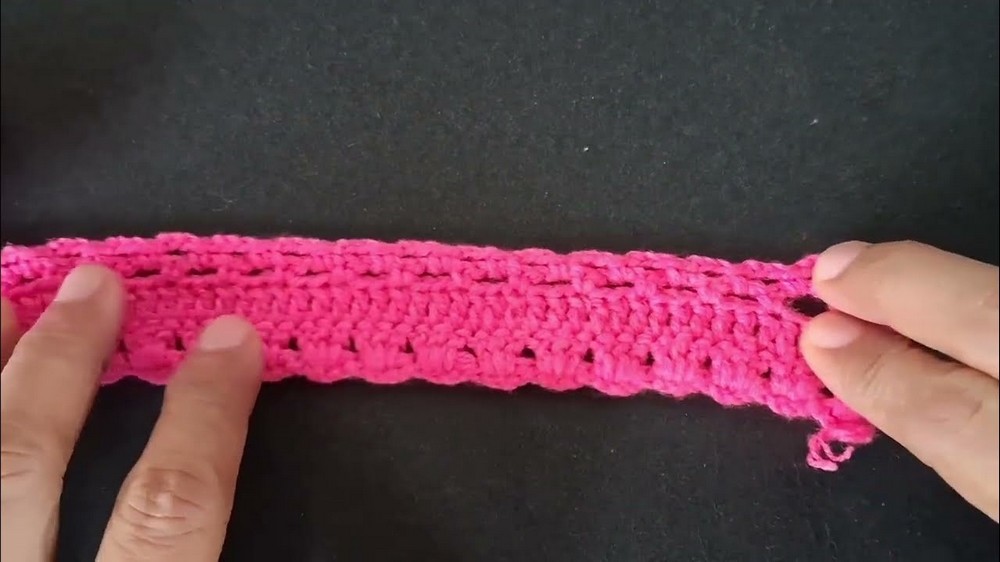
- Row 3:
- Chain 3, work 3 dc in first space.
- Chain 3, skip 2 stitches, work 1 sc, then repeat across the row.
- End with 4 dc in last stitch.
- This defines the alternating mesh and shell pattern.
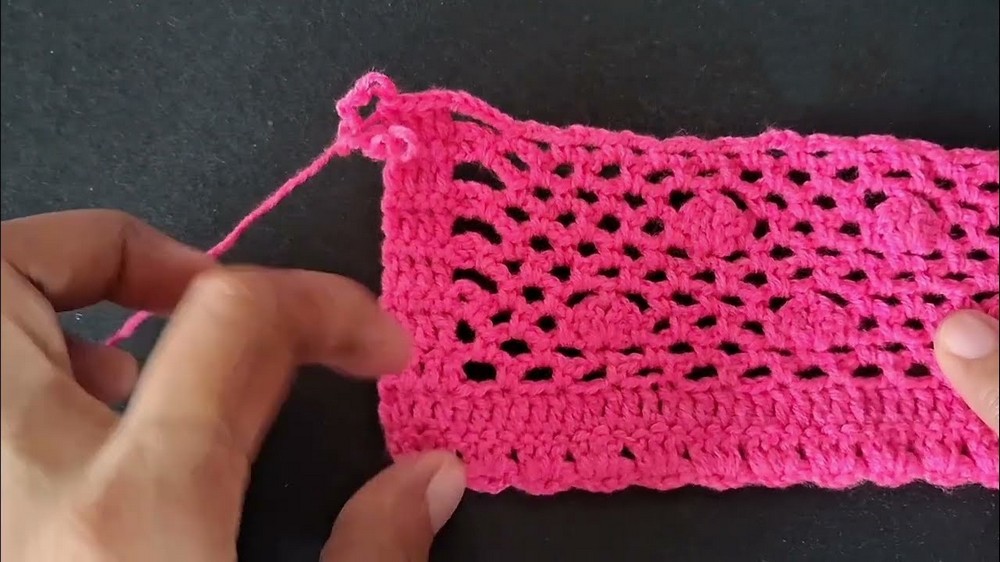
- Rows 4–18:
- Continue shell and mesh pattern maintaining equal stitch counts on both edges.
- Shell sections: (2 dc, ch 1, 2 dc).
- Mesh spaces: (ch 3 or 5, sc) in the correct locations.
- Keep the pattern consistent for texture and garment shaping.
3. Yoke and Sleeve Separation
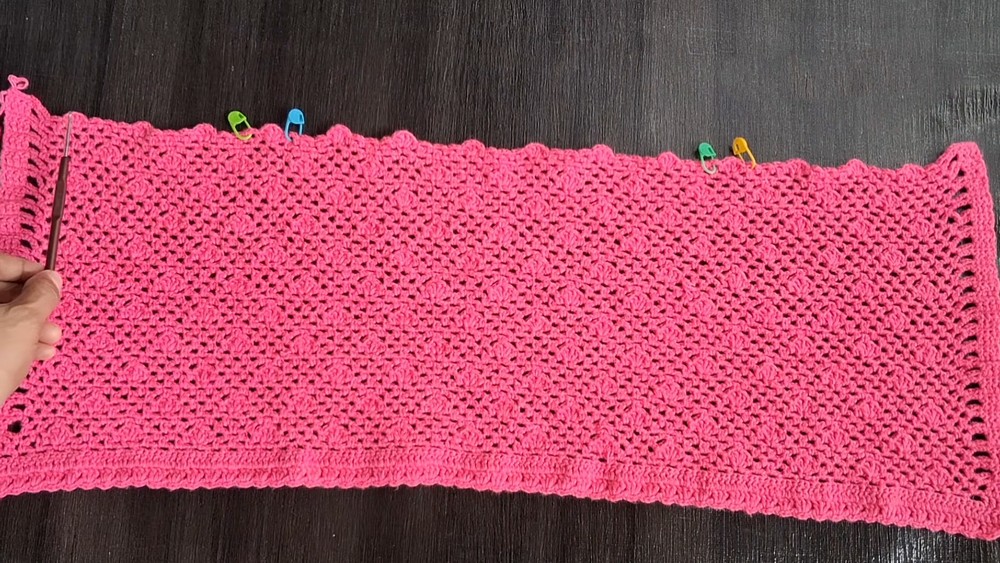
- Stitch Markers:
- Place 4 markers on both sides to divide front, back, and armhole panel areas.
- Working Sections:
- Crochet up to the markers, then separate work into respective sections for front panels, back, and sleeves.
- The back part is worked for a total of 33 rows to complete yoke shaping.
- Follow established stitch patterns for each section ensuring smooth transitions.
4. Button Band and Finishing
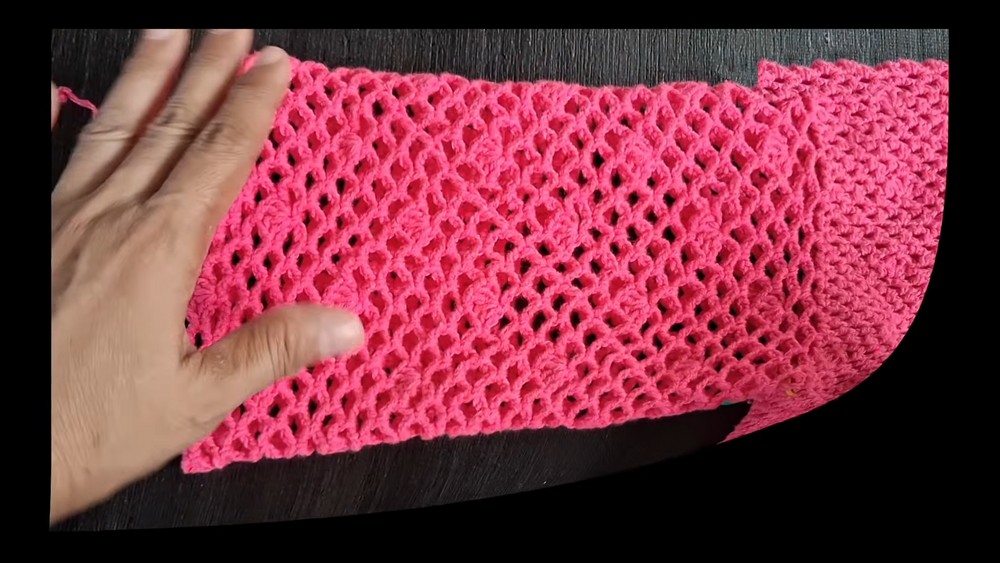
- Front Band Attachment:
- Insert hook along the front edge.
- Work 2 dc in each space to create a sturdy band.
- Buttonholes:
- Chain 3, 1 dc, chain 1, then 2 dc to form a loop.
- Repeat as many times as needed to align with button placement.
5. Sleeves
- Base:
- Join yarn to armhole area.
- Chain 5, skip 3 stitches, then work 1 sc to start the sleeve mesh pattern.
- Rounds:
- Work 20 rounds alternating between shell and mesh stitches, shaping with increases or decreases per pattern.
- Cuff:
- Finish sleeves with 2 rounds of shell stitches for a neat border.
- Completion:
- Attach buttons matching buttonholes to the front band, completing the jacket.
- Attach buttons matching buttonholes to the front band, completing the jacket.
Assembly & Finished Size
- The jacket fits ages 11–13 with adaptable measurements by adding chains or rows.
- Consistent work tension ensures even fabric; check fit while working.
- Sleeves attach neatly after yoke shaping with smooth finishing borders.
- Button bands and buttonholes aligned accurately for functionality.
Conclusion
This crochet jacket pattern combines classic shell and mesh stitches into a lightweight, breathable garment perfect for pre-teens. With clear stitch repeats and structured shaping through markers, it offers an enjoyable intermediate project. The finished jacket showcases craftsmanship with functional buttonholes and elegant detailing.